The Boot-Bag Rule: How to Win the 6pm Argument With Your Sofa
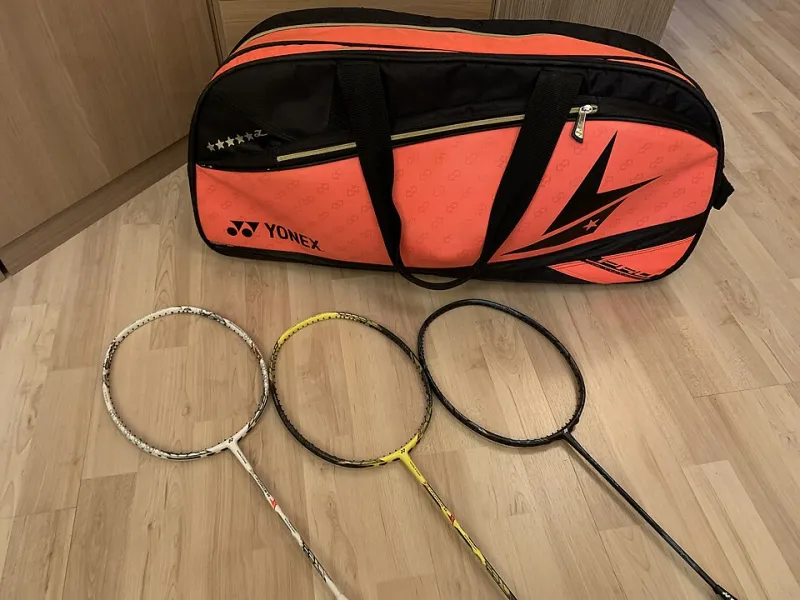
Photo: Chudzipa, CC BY-SA 4.0, via Wikimedia Commons
You finish work with a plan. Gym, twenty minutes, home for tea. Then the bus is late, the rain gets in your shoes, and by the time you reach your front door your brain has quietly rewritten the plan to: sofa, crisps, scroll. Sound familiar? You’re not lazy. You’re just making a decision at the exact moment your energy is lowest, in the exact place where the sofa has home advantage.
The fix isn’t a stricter personality. It’s a smaller gap between finishing work and starting movement. That’s where the boot-bag rule comes in.
What the boot-bag rule actually means
It’s simple: your gym kit lives in the boot of your car, or in a packed bag by the door if you don’t drive, and it is ready before your working day begins. Not “I’ll pack it later.” Not “I’ll see how I feel.” Packed, zipped and waiting.
The point isn’t to be smug about organisation. It’s to remove the bit where you go home first. Going home is the sofa trap’s favourite move. Once you’re through the door, shoes come off, post gets opened, someone asks what’s for dinner, and your good intentions are suddenly competing with a boxset and a radiator.
Having the bag already with you means the decision is made earlier, when you’re still a reasonably functional adult rather than a tired person staring at a cupboard.
Pack for the workout you’ll actually do
A common mistake is packing for the workout you think you should do. That usually means too much kit, too many options and a bag that feels like a school trip. Keep it boring and useful.
A realistic 2026 boot bag for a beginner might include:
- Leggings or joggers and a T-shirt you actually like
- A sports bra if you need one, plus spare socks
- Trainers that are comfortable, not waiting to be “broken in”
- A water bottle you can refill
- A small towel
- Deodorant and a hair tie
- A simple padlock if your gym uses lockers
- A plastic bag for anything sweaty
That’s it. You don’t need three outfits, a pre-workout potion or a gadget that tracks your soul. You need to be able to get changed without a search party.
If you’re going straight from work, think about the weather. In a UK November, “dark and drizzly” is not an emergency, it’s a Tuesday. Keep a cheap raincoat or compact umbrella in the car, and don’t let a wet commute become the reason you drive past the gym.
Choose a session that survives a bad day
After-work workouts fail when they’re too ambitious. If your plan is a 75-minute epic and you arrive at 6:20pm with a headache, you’ll talk yourself out of it before you’ve found a locker.
Pick a session you could do on a mediocre day. Something like:
- 10 minutes on a bike or cross-trainer to wake up
- Three rounds of a squat, a press-up variation and a row
- A short stretch and home
Or a simple 20-minute circuit: march on the spot, sit-to-stand from a bench, wall press-ups, glute bridges, and a gentle carry with two dumbbells. Rest when you need to. The aim is to leave feeling better than when you walked in, not to prove a point to the treadmill.
If you’re not sure what to do, book a short induction or ask a trainer for a basic plan. A lot of the battle is just not wanting to stand in the middle of the gym doing maths.
Make the “go straight there” route automatic
Habits stick when they don’t need a committee meeting. Try to decide the route before you leave work. Gym first, then home. If you use public transport, get off one stop early near the gym or walk the last bit so you’re already in movement mode.
Set a phone reminder for the end of your shift that says something useful, like “bag in boot — 20 minutes — home by 7.” Not “crush it” or “no excuses.” Practical beats dramatic.
It also helps to lower the faff factor. Know where you’ll park. Know whether you need a pound coin or an app for the locker. Keep a hairbrush and a spare deodorant in the bag so you’re not doing a full inventory in the car park. Small frictions add up, and the sofa is very good at exploiting them.
Have a plan B for the days you do go home
Sometimes you will go home. That’s not a failure; it’s data. Maybe the commute was awful, maybe you’re coming down with something, maybe the cat has been sick on the one clean towel. Fine.
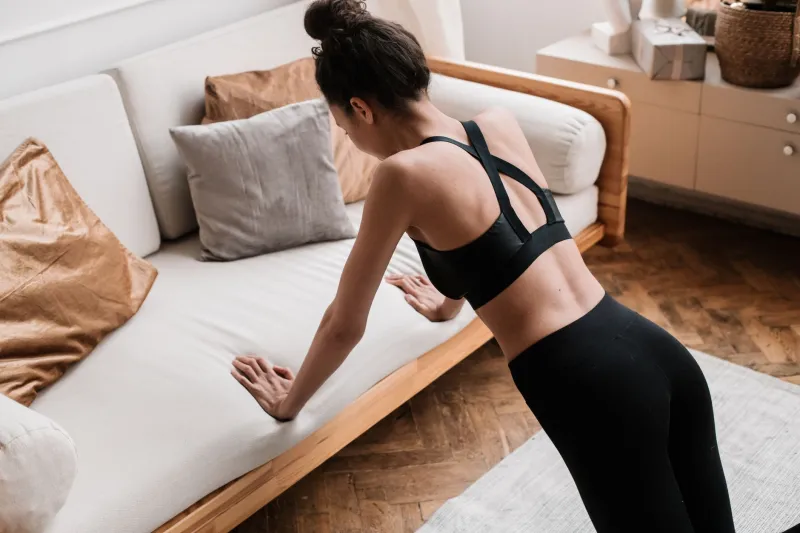
Have a home version ready so the day isn’t a write-off. Ten minutes of movement in the living room counts: a few squats, some press-ups against the sofa, a short walk around the block after dinner. You’re not trying to replace the session. You’re keeping the thread.
The next day, reset the bag. Put it back in the boot. The rule isn’t about being perfect; it’s about making the good choice easier to reach than the sofa.
The sofa can wait. It’s very patient.
Your sofa will still be there after twenty minutes of movement. It won’t take it personally. And you’ll probably enjoy it more with a bit of blood flowing and the workday shaken off.
So pack the bag tonight. Put it by the door or in the boot. Decide on a short, realistic session. Then let tomorrow-you deal with the commute, the dark and the drizzle — with one fewer decision to make.
That’s the boot-bag rule. Not glamorous. Not complicated. Just a small bit of forward planning that gives you a fighting chance against the 6pm sofa trap.