Protein Without the Price Tag: A Real-World Supermarket Guide for Busy UK Beginners
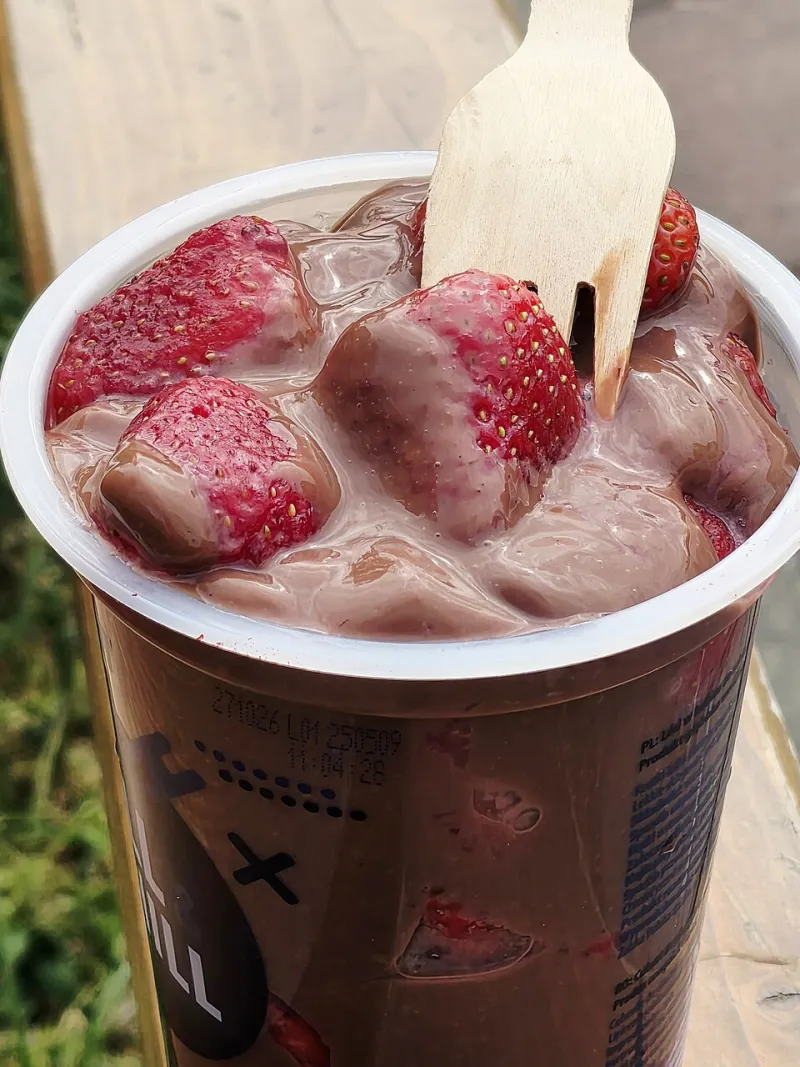
Photo: Auctor quaerendae, CC BY-SA 4.0, via Wikimedia Commons
Walk into any supermarket and you will see protein this, protein that. Powders, bars, yoghurts with big claims on the front. It can make beginners think they need to spend a fortune to eat well. In reality, most people can meet their protein needs with ordinary foods from the weekly shop.
Here at Fitness with Julie, we are not anti-supplement. If a powder or bar helps you, fine. But it is not a magic ingredient, and it is not the first thing a busy beginner needs to buy. This guide is about affordable, realistic protein from UK supermarkets, with simple portions and meals that do not require a fitness influencer's kitchen.
First, the hype check
Protein supplements are convenient. They are quick, portable and useful for some people. But they are not essential for beginners, and they are often more expensive per gram of protein than eggs, milk, yoghurt, beans, lentils or chicken.
You also do not need to hit a perfect number at every single meal. Aim for a protein food at most meals, and build from there. Food first. Supplements only if they solve a problem for you.
What a portion looks like
These are rough guides, because labels and brands vary. Use them to get a feel for portions rather than to obsess over numbers.
- Two eggs: about 12g protein
- 150g Greek-style yoghurt: about 15g
- 100g cooked chicken: about 25g
- 100g firm tofu: about 12g
- Half a tin of chickpeas: about 7g
- 250ml milk: about 8g
- 150g cottage cheese: about 18g
- 100g tinned tuna, drained: about 25g
- 100g cooked lentils: about 9g
- 30g cheese: about 7g
That is the point: protein is not only in chicken breasts and shakes. It is in dairy, eggs, beans, lentils, tofu and tinned fish too.
The budget supermarket basket
You can build a very useful protein basket in Tesco, Asda, Aldi, Lidl, Sainsbury's or Morrisons without chasing premium labels. Own-brand products are usually fine. Frozen and tinned foods are your friends.
A sensible basket might include eggs, own-brand Greek-style yoghurt, milk, lentils, chickpeas, kidney beans, firm tofu, frozen peas, tinned tuna, chicken thighs, cottage cheese, oats, wholemeal bread, rice, pasta and frozen vegetables. Yellow-sticker items can be great if you use them or freeze them that day.
Prices vary by supermarket and region, so treat this as a template rather than a strict shopping list.
Meal combinations that actually work
Breakfast: porridge made with milk, topped with a spoon of Greek-style yoghurt and fruit. Or wholemeal toast with eggs.
Lunch: tuna and sweetcorn sandwich with a pot of yoghurt. Or leftover lentil soup with a slice of wholemeal bread.
Dinner: lentil Bolognese with pasta and a little cheese. Or chicken thigh traybake with frozen vegetables and rice.
Snack: boiled eggs, yoghurt, or hummus with carrot sticks. These are simple, filling and not expensive.
Vegetarian and vegan choices
For vegetarians, eggs and dairy are budget heroes. For vegan diets, lean on lentils, split peas, beans, chickpeas, tofu and fortified soya milk. Frozen edamame is handy if you can find it at a good price. Soya mince can be useful for quick meals, though it is not always the cheapest option.
You do not need to combine every single protein perfectly at every meal. Over the day, mix beans with rice, bread, pasta or potatoes and you will be getting a useful range of amino acids without turning mealtimes into a science lesson.
Batch cooking without a regime
You do not need to spend Sunday roasting twelve meals. Cook one extra portion of dinner and put it in the freezer. That is batch cooking.
Three easy ideas: lentil Bolognese, bean chilli, and chicken thigh traybake with peppers and onions. All freeze well, all reheat well, and all can be stretched with tinned tomatoes, frozen vegetables or extra beans. If you have a slow cooker, it can do some of the work while you are out.
Friendly swaps
- Chicken breast to chicken thighs: often cheaper and harder to dry out.
- Fresh fish to frozen fish: usually better value and less waste.
- Protein yoghurt to plain yoghurt with fruit: less sugar, often less money.
- Some mince to lentils: half and half works in Bolognese or chilli.
- Expensive protein bars to boiled eggs or yoghurt: not as glamorous, but very useful.
A simple weekly shopping list
Eggs, milk, own-brand Greek-style yoghurt, cottage cheese, lentils, chickpeas, kidney beans, tofu, tinned tuna, chicken thighs, oats, wholemeal bread, rice, pasta, frozen peas, frozen mixed vegetables, onions, carrots and tinned tomatoes. That list gives you plenty of meals without a single protein powder.
The bottom line
You do not need to be perfect. Build meals around a protein food, a carbohydrate and some vegetables. Repeat what works. Use the supermarket, not the supplement aisle, as your first stop. If you have a medical condition or specific dietary needs, speak to your GP or a registered dietitian for advice that fits you.