Dark Evenings Don't Need a Gym: A Ten-Minute Beginner Circuit for Real Life
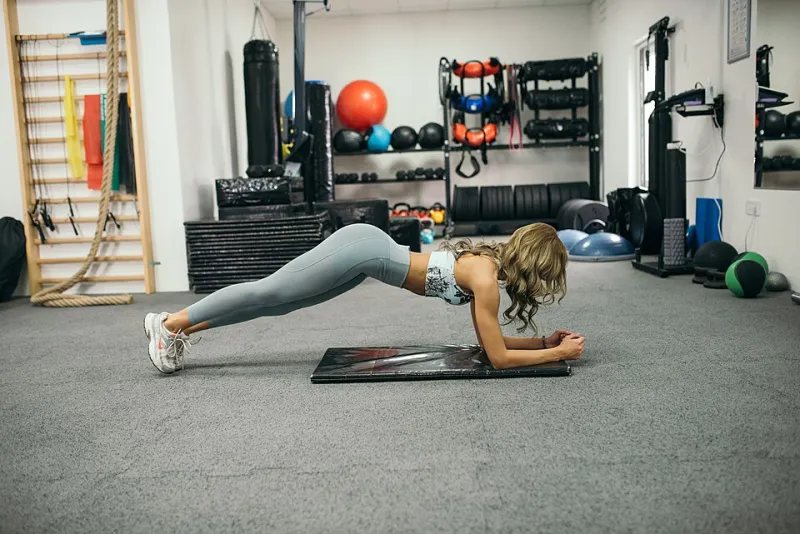
Photo: Nenad Stojkovic, CC BY 2.0, via Wikimedia Commons
Dark by five, cold by six, and the sofa is calling by seven. That is the reality of autumn and winter for plenty of us in the UK, and it is exactly why fitness has to be friendly rather than all-or-nothing. You do not need a gym membership, a full hour, or matching kit to stay active. A short circuit in your living room can be enough to keep the habit alive until the lighter evenings return.
At Fitness with Julie, we are big fans of small sessions that actually happen. This one is designed for beginners, busy adults and anyone who has spent the day saying 'I will do it later' and then found themselves under a blanket with a cuppa. No judgement. Just a plan.
Why ten minutes is worth it
Ten minutes will not replace a full training programme, and it is not meant to. What it can do is protect the routine. A short session keeps your joints moving, gets your heart rate up a little, and reminds you that you are someone who exercises, even in the weeks when life is full.
Think of it as a bridge through winter rather than a bootcamp. You are keeping the habit warm.
Warm up for two minutes
You do not need anything fancy. March on the spot, roll your shoulders, circle your hips gently, and do a few slow sit-to-stands from a chair. You are aiming to feel warmer and looser, not out of breath. If you are squeezed for time, this two-minute warm-up is still part of the ten minutes, not an extra chore.
The ten-minute beginner circuit
Do each move for 30 seconds, then move straight on to the next. Complete the list twice. That is six minutes of circuit. Add the two-minute warm-up and two-minute cool-down at the end and you have your ten minutes.
If you need a breather, take 10 to 15 seconds between moves. Go at a pace that lets you keep good form. Smooth beats speedy every time.
1. Chair sit-to-stand
Sit on a sturdy chair, feet flat, then stand up and sit back down under control. Use your hands on your thighs or the chair arms if you need to. This works your legs and hips without any equipment.
2. Wall press-up
Stand an arm's length from a wall, hands at shoulder height, and bend your elbows to bring your chest towards the wall. Push back. Step further away to make it harder, closer to make it easier.
3. Standing march
Lift your knees one at a time and swing your arms. Keep it low impact and steady. If balance is a concern, hold the back of a chair.
4. Glute bridge
Lie on your back on a mat or carpet, knees bent, feet flat. Lift your hips a few inches, squeeze your bottom, then lower slowly. Do not arch your lower back.
5. Supported step-back
Hold a kitchen counter or chair back. Step one foot back, tap the floor, and return. Alternate legs. This is a gentle way to work your legs and bottom without needing much space.
6. Calf raise
Hold a chair for balance and rise onto your toes, then lower slowly. Keep the movement controlled. This is a good one for ankles and lower legs after a day of sitting.
Three weekly variations
Use these as three sessions in the week, or repeat the one that fits your energy levels.
Variation one: the standard circuit. Do the plan as written. It is a good all-round session for a Monday or Tuesday evening when you want to start the week with a small win.
Variation two: the low-energy version. Do one round only, slow everything down, and use a chair for support on every move that needs it. That gives you about five minutes of movement plus warm-up and cool-down. On a grim, rainy evening, this still counts.
Variation three: little and often. Split the circuit into two five-minute blocks. Do the warm-up and first three moves before your evening meal, then the last three moves and cool-down later. This suits people who struggle to find one clear block of time.
Cool down for two minutes
Walk slowly around the room, then do a gentle calf stretch, a chest stretch and a hamstring stretch. Keep everything soft. No bouncing. Finish with a few slow breaths and notice that you did something for yourself.
Making it happen when energy is low
Put your clothes out before you make tea. Set a timer so the session has a clear start and finish. Use a favourite playlist, podcast or TV programme as a signal that it is movement time. If you miss a day, do not write off the week. Do five minutes the next day instead.
The goal is not to be perfect in the dark months. The goal is to keep showing up in a way that feels doable. A ten-minute circuit in your living room will not solve every fitness question, but it is a kind, practical place to start.
A quick safety note
If you have a new health condition, an injury, are pregnant, or have not exercised in a long time, check with your GP or a qualified professional first. Stop if you feel pain, dizzy or unwell. This plan is general guidance, not personal medical advice.